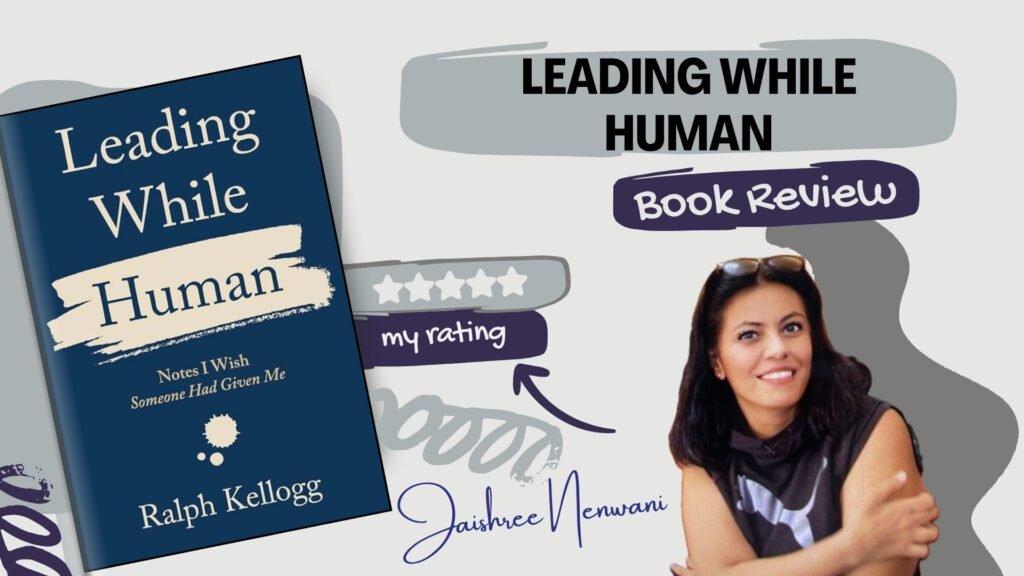
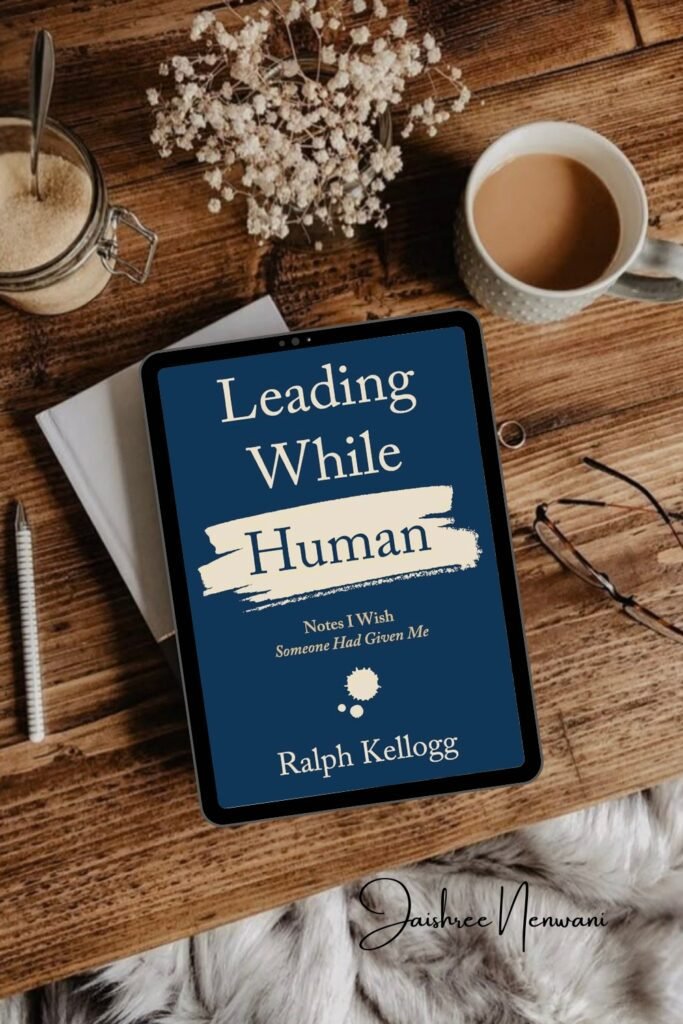
Most leadership books tell you how to become a better leader. Very few make you stop and ask whether you’re becoming a better human in the process. Leading While Human by Ralph Kellogg belongs to that rare category. I started reading it expecting practical leadership advice. Instead, I found myself reading honest letters filled with vulnerability, difficult experiences, and quiet wisdom that stayed with me long after I finished the last page.
A Refreshingly Honest Take on Leadership
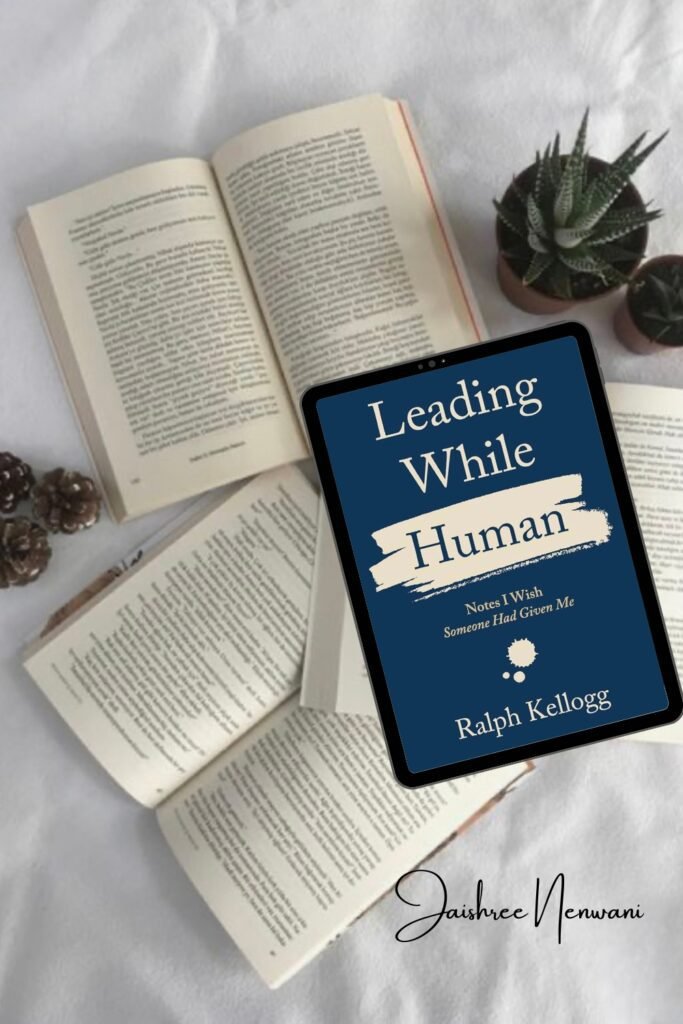
What struck me immediately was the author’s honesty. Ralph Kellogg doesn’t present himself as someone who has mastered leadership. He openly admits his fears, mistakes, insecurities, and moments of failure. That honesty makes this book feel real.
Rather than offering frameworks, complicated models, or catchy leadership formulas, the book is built around personal stories. Each chapter reads like a letter from someone who has spent decades learning leadership the hard way. Whether he’s talking about imposter syndrome, difficult conversations, losing promotions, making painful decisions, or questioning his own behavior, every lesson feels earned rather than taught.
That is what makes this book different. It doesn’t preach. It shares.
Leadership Lessons That Go Beyond the Workplace
Although the book is written for leaders, I found many lessons applicable to everyday life.
One chapter explores the feeling of not belonging despite being fully qualified. Another reminds us that degrees may open doors, but character and self-awareness determine how far we go. There are powerful reflections on being right versus building trust, carrying responsibility without having all the answers, and understanding that leadership is often about listening more than speaking.
Some of the most memorable chapters deal with invisible struggles. The author writes candidly about mental health, workplace silence, identity, burnout, rejection, and emotional resilience. These aren’t included for dramatic effect. They explain how our personal experiences quietly shape the way we lead and treat others.
I appreciated that every lesson circles back to one simple truth: leadership begins with understanding yourself.
Why This Leadership Book Feels So Human?
What stayed with me most wasn’t any single chapter. It was the overall tone of the book.
The writing is calm, reflective, and deeply personal. It feels like sitting across from someone who has nothing to prove and simply wants to pass on what experience has taught them.
I also liked that the book doesn’t promise instant success. There are no unrealistic claims about becoming an exceptional leader overnight. Instead, it reminds us that leadership is built through countless small decisions—how we respond under pressure, how we admit mistakes, how we create space for others, and how willing we are to keep learning.
In a world full of books that celebrate confidence and perfection, this one quietly celebrates humility.
That message feels both refreshing and necessary.
Should You Read Leading While Human?
I believe this book is worth reading whether you manage a large team, lead a small business, or simply want to become a better version of yourself.
If you’re looking for step-by-step leadership systems, this may not be the book you’re after. But if you enjoy thoughtful books that encourage reflection and personal growth, you’ll probably find a lot of value here.
I found myself highlighting lines not because they were clever, but because they felt true. The lessons are practical without being simplistic and thoughtful without becoming overly academic. More importantly, they encourage readers to pause, reflect, and rethink what leadership actually means.
By the time I reached the final pages, I realised this wasn’t really a book about leading others. It was a book about learning to lead yourself with greater awareness, compassion, and honesty. And perhaps that’s where great leadership begins. Grab your copy of this wonderful book on Amazon—> Leading While Human by Ralph Kellogg.
About the Author
Ralph Kellogg draws from decades of leadership and human resources experience to explore the realities that often go unspoken in professional life. Instead of presenting himself as an expert with all the answers, he writes as someone willing to share the successes, failures, doubts, and lessons that shaped his journey. His honest storytelling, combined with practical wisdom and genuine empathy, makes Leading While Human a thoughtful read for anyone who believes leadership is less about authority and more about showing up as your authentic self.