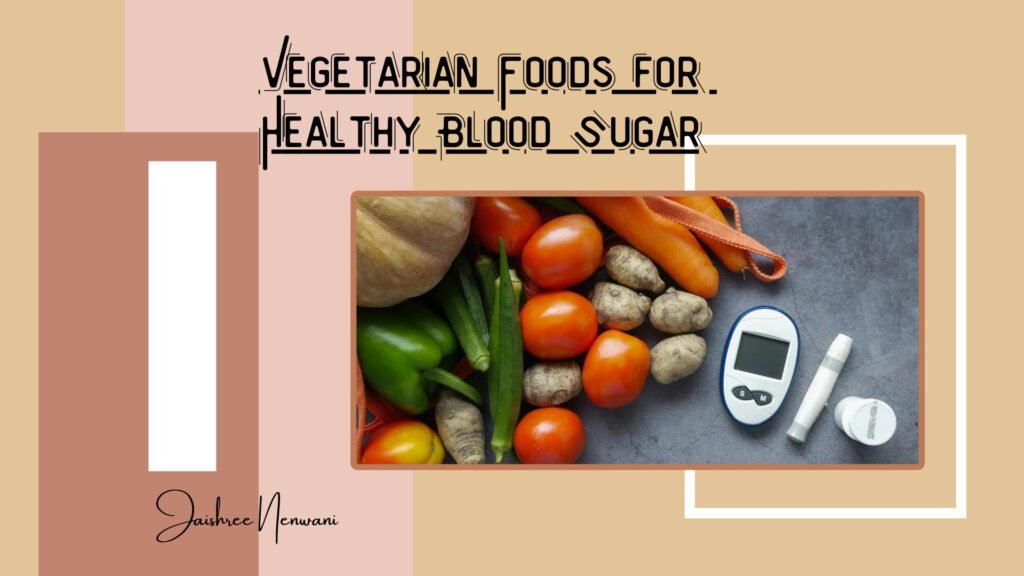
A routine blood test can sometimes tell us something we weren’t expecting to hear.
A while ago, my dad went for his regular blood tests, and his results showed that his blood sugar levels had gone up. It wasn’t something we had been particularly concerned about until then, so naturally, the report got our attention.
What I appreciated most was his reaction. He didn’t panic or immediately assume the worst. Instead, he decided to pay closer attention to his diet and make some changes to his everyday eating habits.
That got me thinking about how we approach food and health. Most of us grow up eating what our families have always eaten. We have our regular breakfast, our favourite sabzis, our dal and roti, and perhaps a little something sweet after a meal. We don’t necessarily stop to think about the nutritional side of these everyday choices.
It’s usually when a health report gives us a reason to pause that we start looking at our plates a little differently.
But here’s something I’ve come to understand and appreciate: eating mindfully doesn’t have to mean giving up every food we love. Sometimes, it starts with understanding what we’re eating, how much we’re eating, and what we can add to make our meals more balanced.
To understand this better, I looked into reliable health resources, including guidance from the CDC and the National Institute of Diabetes and Digestive and Kidney Diseases (NIDDK). I wanted to understand how our everyday vegetarian foods fit into a balanced eating pattern when blood sugar is a concern. What stood out was that it isn’t about finding one magical ingredient or eliminating everything we love. It’s about understanding carbohydrates, including more fibre-rich foods, paying attention to portions and looking at the bigger picture of our meals. Here’s what I learnt.
For Indian vegetarian households, there’s plenty to work with already. From dal and chana to seasonal vegetables, whole grains, fruit and nuts, familiar foods can form part of a balanced eating pattern that supports blood sugar management.
Dal, Chana and Rajma: Our Everyday Comfort Foods

Ask someone to name a few staples in an Indian kitchen, and dal won’t be far down the list. Rajma-chawal and chole-bhature have their own fan clubs, too!
The good news is that lentils, chickpeas, kidney beans and other pulses provide fibre and plant-based protein. These nutrients make them useful components of balanced meals.
However, pulses also contain carbohydrates, which can raise blood sugar. That doesn’t make them foods to avoid; it simply means portions and the rest of the meal deserve attention.
For instance, rather than filling most of the plate with rice and having just a little dal, we can think about balancing the meal with a suitable portion of each, along with vegetables and other sources of protein.
The point isn’t to turn our beloved dal-chawal into a complicated nutritional exercise. It’s to make small, sensible choices that can fit into everyday life.
Give Green Vegetables Their Due
Bhindi, lauki, tori, cabbage, cauliflower, spinach and beans may not always get the same attention as trendy health foods, but they have a lot going for them.
Non-starchy vegetables provide fibre, vitamins and minerals, while adding volume to meals without contributing as many carbohydrates as foods such as rice, roti or potatoes.
And we don’t need to search for expensive ingredients to make our meals more nutritious. A simple homemade sabzi, a bowl of seasonal vegetables or some spinach added to dal can all contribute to a varied eating pattern.
Of course, how we prepare these foods matters, too. A vegetable dish cooked with excessive oil or rich additions may be quite different nutritionally from a lightly prepared version.
For me, the practical takeaway is simple: before searching for a special food to add to our diet, it may be worth making better use of the everyday vegetables already available in our kitchens.
From Wheat to Millets: Choose Variety, Not Hype
Jowar, bajra and ragi have been part of traditional Indian diets for generations. Oats and barley offer other whole-grain options, while whole-wheat roti remains a familiar staple in many homes.
Whole grains can provide fibre and other nutrients, and choosing less-refined grains can be part of a healthy eating pattern.
But there’s one thing we shouldn’t overlook: millets are not carbohydrate-free, and neither are oats or whole-wheat rotis. Their portions still matter when managing blood sugar.
We don’t need to replace every roti with a millet roti overnight or assume that one grain is automatically right for everyone. The best choices depend on individual needs, preferences, availability and the overall meal.
Instead of chasing the latest food trend, I’d rather focus on variety and consistency. A balanced eating pattern that works for our household is more realistic than a diet built around a handful of fashionable ingredients.
Fruits Don’t Need to Become the Villain

When blood sugar enters the conversation, fruit often becomes a source of confusion.
Can someone with elevated blood sugar eat mangoes? What about bananas, grapes or chikoo? Should fruit be avoided altogether?
The answer isn’t a blanket yes or no for every person. Whole fruits provide fibre, vitamins and minerals, and can fit into a balanced eating pattern. However, the choice of fruit, portion size and individual health needs matter.
Whole fruit is generally preferable to fruit juice because it retains more fibre and takes longer to consume. Juice can also deliver carbohydrates more quickly.
Rather than being frightened of fruit, it’s better to understand portions and seek individual advice when necessary. Food choices should be guided by reliable information, not by every warning that appears on social media.
Nuts, Seeds and Vegetarian Protein
Almonds, walnuts, peanuts, flaxseeds and chia seeds provide varying amounts of fibre, healthy fats and other nutrients. In sensible portions, they can add variety to meals and snacks.
Vegetarian protein sources such as tofu, soy foods, unsweetened curd, paneer and roasted chana can also help make meals more balanced.
This matters because a meal made up largely of carbohydrate-rich foods may need more variety. Combining carbohydrate sources with foods containing protein, fibre and fat can influence how quickly glucose rises after eating.
None of these foods is a miracle solution, though. Nuts and seeds are energy-dense, paneer can be high in saturated fat, and portions still matter. The aim is to include a useful variety of foods rather than treating any one ingredient as the answer.
It’s About the Whole Plate, Not One Superfood
I think this is where the conversation around food becomes much more practical.
We often look for one special ingredient that will make all the difference. We hear about methi seeds, karela, cinnamon or a particular millet and wonder whether adding it to our routine will solve the problem.
But no single food has been established as a cure for diabetes, and specific foods or spices shouldn’t replace appropriate medical care.
The overall eating pattern matters. So do portion sizes, physical activity, sleep, medication when prescribed and individual health circumstances.
One commonly used meal-planning approach is the plate method: fill about half the plate with non-starchy vegetables, one-quarter with protein-rich foods and one-quarter with carbohydrate-containing foods. This is a general framework, not a rule that suits everyone.
For an Indian vegetarian meal, that might mean vegetables, dal or another protein source, and an appropriate portion of roti or rice. A registered dietitian or healthcare professional can help adapt this approach to individual needs.
The US Centers for Disease Control and Prevention explains how meal composition, carbohydrate portions and food choices can affect blood sugar in its Diabetes Meal Planning resource. The National Institute of Diabetes and Digestive and Kidney Diseases also emphasises balanced eating and individualised care.
These are useful reminders that food choices matter, but they are only one part of looking after our health.
A Little More Awareness, A Little Less Fear
Dad’s blood test was a reminder that health awareness often begins with something ordinary. A routine appointment, a report we weren’t expecting, or a conversation that makes us reconsider our daily habits.
I’m glad he didn’t panic. His immediate decision to pay closer attention to his diet made me reflect on how much of our everyday eating happens on autopilot.
We don’t have to transform our kitchens overnight. We can start by understanding our portions, including more vegetables, choosing a variety of protein sources, eating whole fruits and being mindful of sugary drinks and heavily processed foods.
At the same time, elevated blood sugar deserves proper medical attention. A single test result doesn’t tell the whole story, and dietary changes shouldn’t replace a doctor’s assessment. Healthy eating can support blood sugar management, but no particular food or diet guarantees a specific result.
For people who need to understand their glucose patterns more closely, technology may also be part of the conversation. FreeStyle Libre is a continuous glucose monitoring system that helps users observe glucose patterns and understand how factors such as meals, activity and medication affect their readings. Whether such a system is appropriate depends on individual circumstances and professional guidance.
Ultimately, I don’t want to think of eating well as a punishment or a long list of foods we can no longer enjoy. Food is part of our culture, our memories and the way we connect with the people we love.
Perhaps the goal is to find a sensible balance: enjoy our familiar meals, make informed choices and pay a little more attention to what our bodies need.
Sometimes, a routine blood test is the nudge that gets us started. What we do with that information—thoughtfully, consistently and with the right medical guidance—is what matters next.